
Penile Curvature – Causes, Peyronie's Disease, and How to Straighten the Penis Without Surgery
Peyronie’s Disease and Penile Curvature – They Are Not the Same Thing
Penile curvature and Peyronie’s disease are not the same condition, which is why it is important to clarify this key difference right from the beginning.
Although both involve a curved penis, the underlying cause and the way the condition develops can be completely different.
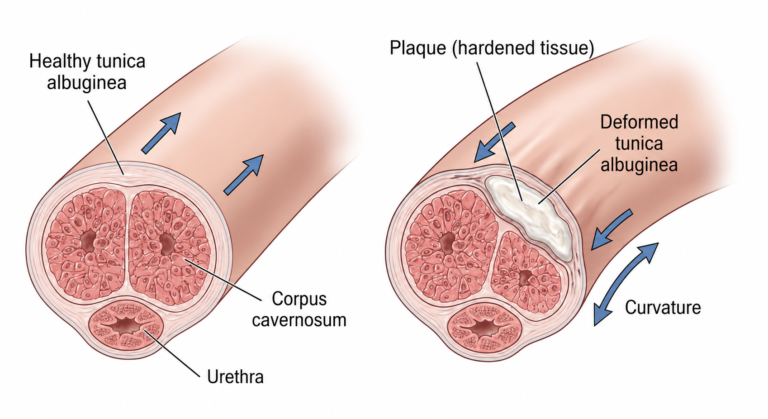
Peyronie’s disease occurs when tissue inside the penis is damaged during sexual intercourse, an injury, or another form of mechanical stress. At the site of the injury, the body forms a plaque, which is a fibrous buildup of hard scar tissue. Because of this plaque, blood can no longer circulate normally throughout the entire penis, causing the penis to bend toward the side where the plaque is located during an erection.
It is important to emphasize that in Peyronie’s disease, the penis was previously straight and completely normal. The curvature develops later as a result of the injury and plaque formation, rather than being a natural condition.
Natural (congenital) penile curvature is a different story. In these cases, the penis has been curved since birth or since the beginning of sexual development. There is no plaque, no injury, and no Peyronie’s disease. It is simply a matter of anatomy. Such curvature is often mild, and many men live with it their entire lives without experiencing any problems.
The key is to understand the difference:
- in Peyronie’s disease, the curvature develops later as a result of injury and plaque formation
- with natural penile curvature, the curvature has been present for a long time and is not considered a disease
Although the underlying cause may be different, the approach to penile straightening is the same in both cases. What matters most is not why the curvature occurred, but how the correction process is approached properly. That is exactly why it is important to know what you are doing, how you are doing it, and why.
What Is Penile Curvature?
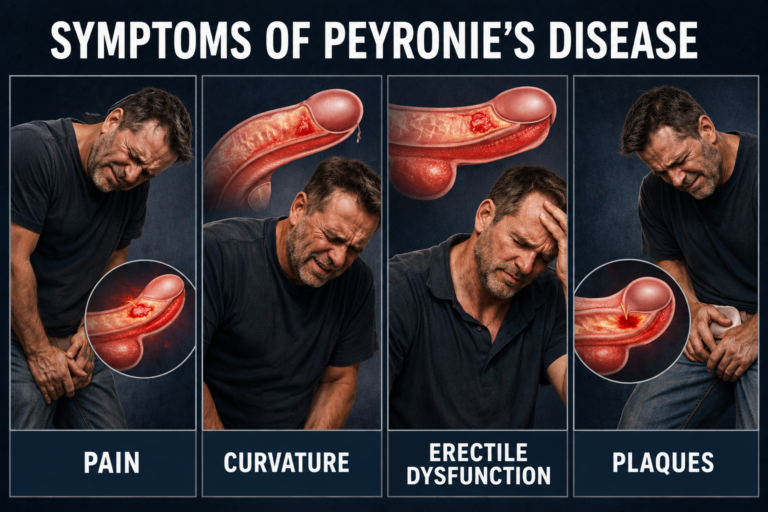
The formation of plaques or lumps in Peyronie’s disease is one of the main causes of penile curvature. These plaques and the associated inflammation can cause pain and discomfort because the penis is forced to bend toward one side during an erection or even in a flaccid state.
This penile curvature can create difficulties during sexual intercourse, and in cases of severe bending, intercourse may become extremely difficult or even nearly impossible.
Penile curvature has the potential to affect an important part of a man’s quality of life and self-confidence. It is one of the most common sexual disorders worldwide and is also known to contribute to other erectile problems.
Medical studies and clinical observations have confirmed a strong correlation between a curved penis and erectile difficulties. In fact, up to 80% of men with penile curvature experience problems achieving or maintaining an erection firm enough for sexual intercourse.
Once penile curvature develops, it is very important to begin treatment as early as possible.
For some men, symptoms may appear almost overnight, while in others penile curvature develops gradually over a longer period of time. A curved penis can cause significant emotional distress and frustration, often leading to reduced self-esteem, anxiety, and even depression.
Direction of Curvature and Degrees of Severity
In Peyronie’s disease, the penis can curve in any direction. The most common type is an upward curvature. In some men, the penis may curve in two directions at the same time, for example upward and to one side.
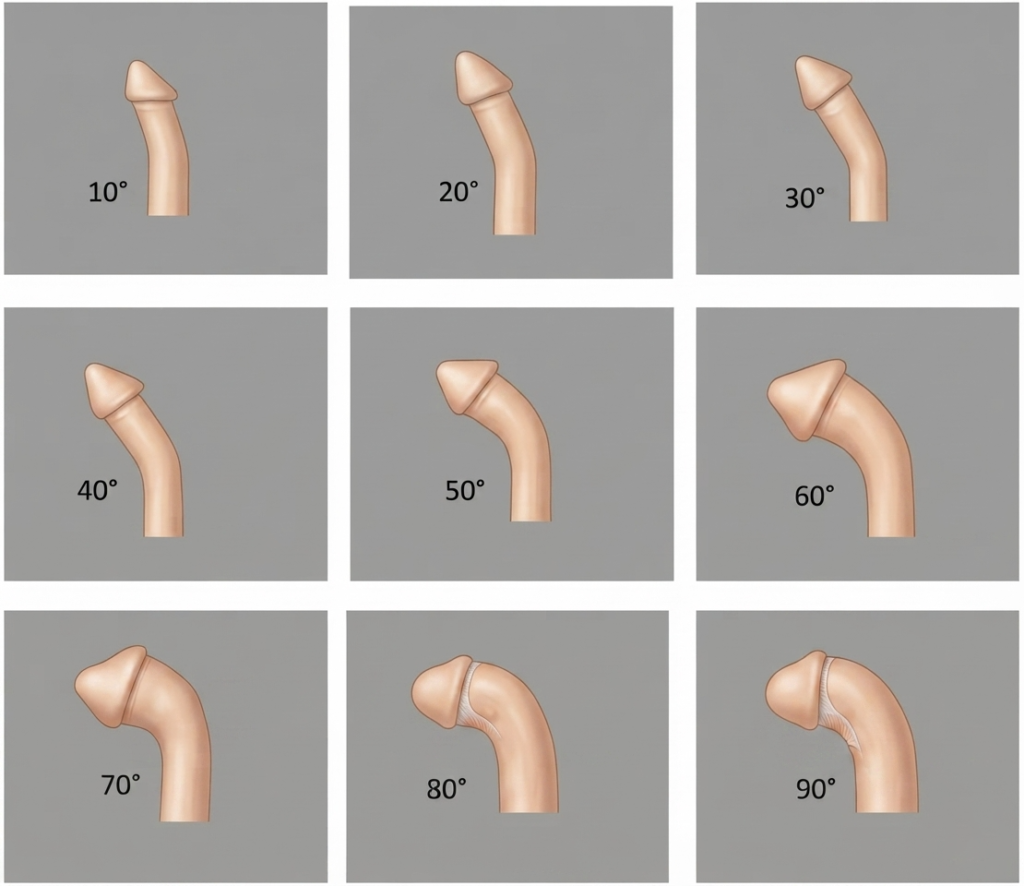
The severity of penile curvature is measured by the angle of the bend in degrees. In general, there are approximately three levels of severity:
- Mild curvature: less than 30 degrees
- Moderate curvature: 30 to 60 degrees
- Severe curvature: more than 60 degrees
The formation of plaque often causes the penis to become slightly shorter as well, although the extent of shortening varies from one man to another.
Curvatures of less than 30 degrees are common and completely natural. In general, they do not limit sexual function and do not require treatment.
Causes of Peyronie’s Disease
There is no single factor that can be identified as the sole cause of Peyronie’s disease. Trauma or injury to the penis is considered the most common and important cause of this condition. The prevalence of penile curvature is significantly higher among men suffering from common health conditions such as diabetes and high blood pressure.
Peyronie’s disease has also been associated with other health conditions such as Dupuytren’s disease, finger joint disorders, Ledderhose disease and Paget’s disease. A genetic component cannot be excluded, as the condition often appears within families and sons may inherit the disorder from their fathers.
Injury as the Main Cause
Most researchers believe that injury is the primary cause of Peyronie’s disease. Damage often occurs during sexual intercourse, especially in the early stages of an erection when the penis may bend slightly. This places stress on the connective tissue layers inside the penis.
Small injuries and microtraumas to blood vessels may occur at these sites and often go unnoticed initially. The result can be invisible bruising and an inflammatory response within the body. During the healing process, the tissue gradually forms scar tissue, elastic erectile tissue is replaced by harder connective tissue, and plaques develop that eventually cause penile curvature.
The Impact of Aging
Penile curvature may also develop as a result of aging. As men get older, tissue elasticity decreases and inflammatory processes become more common, which may contribute to permanent penile bending.
Genetics and Heredity
Genetic factors may make some men more susceptible to penile curvature. Researchers have observed that penile curvature can occur across several generations within some families, suggesting a hereditary predisposition.
Scientists have found that approximately 25% to 40% of men with acquired penile curvature also suffer from Dupuytren’s disease. Dupuytren’s disease is a condition in which benign connective tissue growth causes nodules to develop in the palms of the hands. The frequent coexistence of both conditions suggests a possible genetic connection.
Metabolic Disorders
Many men experience small, unnoticed injuries to the penis, yet not all of them develop penile curvature. Some experts therefore suspect abnormalities in connective tissue metabolism.
In such cases, harder and less elastic fibers are used during tissue repair instead of the original elastic fibers. The result of this remodeling process is the formation of the characteristic nodules or plaques associated with Peyronie’s disease.
One study suggests a relationship between diabetes and an increased risk of developing penile curvature, while another indicates that diabetic patients may experience a more severe form of Peyronie’s disease. However, there is currently insufficient evidence to confirm these associations conclusively.
Autoimmune Mechanisms
Some researchers believe that Peyronie’s disease may be a form of autoimmune disorder. According to this theory, antibodies attack the body’s own cells within the penis, triggering inflammation and promoting the formation of scar tissue.
If you would like to understand Peyronie’s disease in more detail, including its stages and how plaque forms, read the complete guide here.

Some men researching the causes of penile curvature also become interested in penis enlargement methods, as improving tissue elasticity and blood circulation may positively affect both penile function and appearance.
How Plaque Forms and Why the Penis Curves
The penis mainly consists of two erectile chambers that expand and fill with blood during an erection. These erectile bodies are surrounded by elastic connective tissue that stretches as the penis enlarges.
In cases of penile curvature, parts of this connective tissue become hardened and nodules or plaques begin to form. Because the hardened tissue can no longer expand normally, the penis bends or deforms during an erection.
Sometimes these plaques can even be felt when the penis is in a flaccid state. It is still not fully understood why these plaques develop. Researchers believe that repeated microscopic injuries, such as those that may occur during sexual intercourse, play an important role.
These injuries may involve tiny tears in blood vessels or connective tissue. As the body repairs these injuries, plaque can gradually develop within the surrounding connective tissue.
Certain genes are also believed to contribute to plaque formation and the development of Peyronie’s disease. However, research in this field is still in its early stages.
How Common Is Peyronie’s Disease?
It is not exactly known how many men are affected by penile curvature or Peyronie’s disease. However, experts believe that the condition is more common than previously thought.
In a German study involving more than 4,000 men, the prevalence was approximately 3%.
An American study involving more than 7,000 participants suggests that as many as 10% of all men may be affected. However, the degree of curvature was not measured in these studies.
The condition becomes more common with age. On average, men are between 50 and 60 years old when they develop Peyronie’s disease. However, younger men can also be affected.
Consequences of Peyronie’s Disease and Penile Curvature
The consequences of Peyronie’s disease or penile curvature vary from one man to another. In addition to the type and severity of the deformity, they also depend on personal circumstances. Some men are barely bothered by the condition, while others are deeply affected because it causes psychological distress or interferes with their sexual life.
Some men feel uncomfortable about the appearance of their penis, feel embarrassed, or worry about “failing” during sexual intercourse. Others fear that their relationship or their ability to find a partner may suffer. In some cases, these concerns can lead to depression or severe anxiety.
Penile curvature can also affect partners because sexual intercourse may no longer be possible, may only be possible to a limited extent, or may become painful.
It is estimated that around 30% of men with penile curvature also experience erectile dysfunction. This may be a consequence of scar tissue formation. Sometimes this manifests as the penis becoming sufficiently rigid up to the point of the plaque, while the area beyond it remains softer due to reduced blood flow.
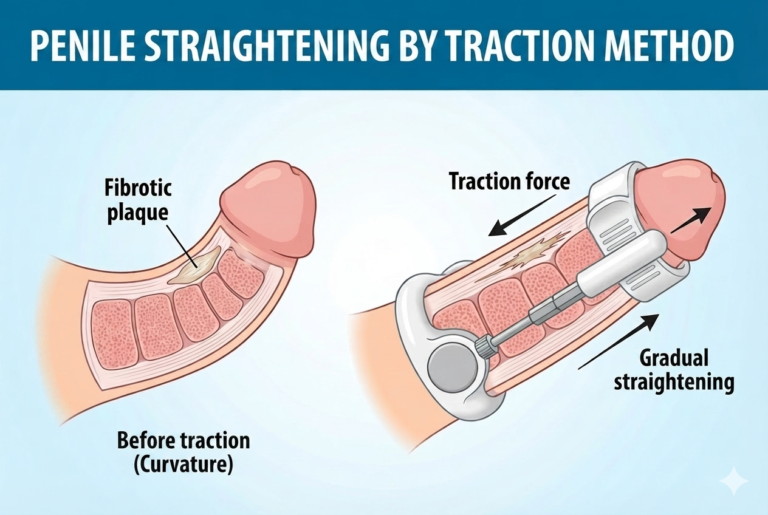
Penile curvature itself is difficult to treat, and only a limited number of therapies have been evaluated in high-quality clinical studies. However, early studies have shown that mechanical penile stretching devices, also known as traction therapy, may help reduce penile curvature.
Symptoms of Peyronie’s Disease
When connective tissue becomes scarred and hardened, specialists refer to this process as fibrosis. During fibrosis, connective tissue grows excessively and transforms from soft, elastic tissue into harder scar tissue. These changes, known as penile fibrosis, cause the tissue around the plaque to contract, pulling the penis toward the affected side and resulting in penile curvature.
Acquired penile curvature is therefore more of a symptom than a disease itself. The degree of curvature is usually most noticeable during an erection. In some cases, the penis may bend in two directions at the same time (bidirectional penile curvature), for example upward and to one side.
If the curved penis deviates significantly from a straight axis, sexual intercourse may become difficult or uncomfortable. In addition, the penis may become less rigid beyond the plaque toward the glans, a condition specialists describe as reduced rigidity. Some patients also report pain, especially during erections and sexual intercourse. Penile pain at rest is relatively uncommon. A curved penis generally does not affect urination or the urinary stream.
In some cases of acquired penile curvature, plaques can be found at the transition area between the glans and the shaft of the penis. This may result in narrowing of the penis, often referred to as an hourglass deformity. In more severe cases, nerves and blood vessels in the affected area may be compromised, leading to erectile dysfunction. Some men may also experience numbness or reduced sensation in the glans.
In congenital penile curvature, the curvature itself is usually the primary symptom. Typical symptoms associated with the acquired form are uncommon. Depending on the severity, sexual intercourse may become more difficult.
For some patients, penile curvature is primarily a psychological or cosmetic concern. Men may find the deviation from what they consider normal to be distressing. These feelings can become even more pronounced when erectile dysfunction or sexual difficulties are also present.
Acquired Penile Curvature
Penile curvature (penile deviation) may be congenital or acquired. The causes of acquired penile curvature are still not fully understood. Treatment usually involves medication to slow or stop the progression of the condition. In more severe cases, surgery may be required.
In penile curvature, the penis may bend to one side (lateral curvature), upward (dorsal curvature), or downward (ventral curvature). Some penises may also twist around their axis in a corkscrew-like manner.
Penile curvature caused by Peyronie’s disease is primarily characterized by palpable, nodular hardenings known as plaques. These are usually located on the upper side of the penis and only rarely on the underside.
The problem occurs when the tunica albuginea, the thin connective tissue membrane that surrounds and supports the erectile bodies of the penis (corpora cavernosa), becomes damaged.
These hardened areas develop over a period of weeks or months, although in some cases they may appear seemingly “overnight”. Their size varies, typically ranging from one to three centimeters, and in some men they may spread across a larger area of the penis.
The exact cause of acquired penile curvature, also known as Peyronie’s disease, remains largely unknown. However, researchers and specialists have proposed several theories that attempt to explain why plaque formation and penile curvature develop.
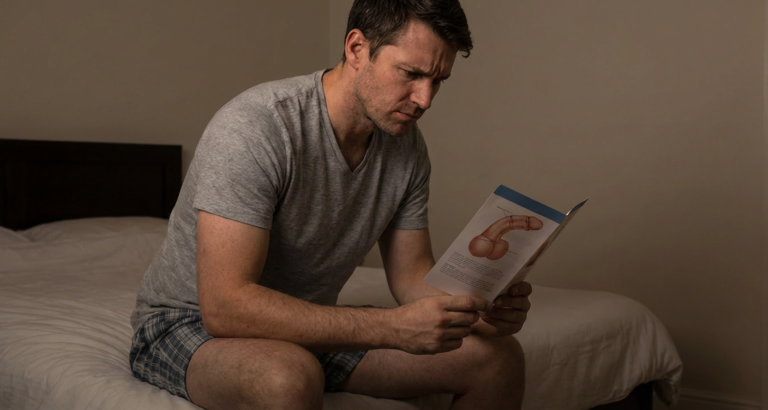
Possible Risk Factors for Penile Curvature
Little is currently known about the factors that contribute to the development of acquired penile curvature. The relationship between the condition and specific risk factors has not yet been fully established. However, researchers and medical experts frequently discuss the following potential risk factors:- High blood pressure
- Smoking and excessive alcohol consumption
- Advancing age
- Rough or traumatic sexual intercourse
- Medications used to treat erectile dysfunction, where penile curvature has occasionally been reported as a possible side effect
- Painful prolonged erections (known as priapism), where penile curvature may develop as a long-term complication
Treatment Options
Medications
The primary goal of drug therapy is to stop or slow down the inflammatory processes occurring inside the penis. This may help prevent the formation of new plaques or the progression of existing ones.
Doctors typically use medications during the early stages of penile curvature and Peyronie’s disease. However, there is currently no medication capable of reversing established damage such as penile deformity or curvature.
Depending on the treatment approach, medications may be taken orally as tablets, injected directly into the corpora cavernosa or the plaques themselves, or applied externally to the affected area of the penis.
One of the medications used in the treatment of penile curvature is potassium para-aminobenzoate (Potaba). It is usually administered in capsule form or as a water-soluble powder.
Its effect is believed to reduce the production of connective tissue and suppress inflammatory immune cells. This may help slow the progression of plaque formation and penile curvature. Early treatment lasting at least three months may be beneficial in stabilizing Peyronie’s disease over time. However, the exact mechanism of action remains unclear.
The use of Vitamin E is another frequently suggested option, although there is currently no reliable evidence supporting its effectiveness.
Several other medications have been discussed, including the cytotoxic drug colchicine and certain medications originally developed for breast cancer treatment. However, many physicians and researchers advise against their routine use, as well as against steroid injections directly into Peyronie’s plaques.
Injections
Injections with hyaluronic acid have shown some promising results in the treatment of Peyronie’s disease.
A medication containing the active ingredient collagenase clostridium histolyticum (an enzyme derived from bacteria that breaks down collagen fibers) was initially approved in the United States and Europe. However, it is no longer available on the European market due to concerns regarding its effectiveness and the frequency of side effects.
Injection therapy is one of the non-surgical treatment options for Peyronie’s disease. During the procedure, medications are injected directly into the scar tissue (plaque) inside the penis.
Commonly used substances include verapamil, interferon alfa-2b, corticosteroids, and collagenase. The goal of these treatments is to reduce inflammation, soften the plaque, and decrease penile curvature.
However, treatment outcomes vary considerably between patients, and studies suggest that some therapies, particularly collagenase injections, may have only a limited effect on penile curvature and overall quality of life.
Peyronie’s Disease Surgery
Surgery may be an option during the chronic phase of Peyronie’s disease. It can be considered when other treatments have failed to provide sufficient improvement or when the penile deformity is severe enough to interfere with sexual intercourse.
Several surgical techniques are available, each with its own advantages and disadvantages. The most appropriate procedure depends on multiple factors, including penile length, the degree of curvature, the type of deformity, and the patient’s erectile function.
Surgical treatment can correct approximately 90% of penile deformities caused by Peyronie’s disease. However, surgery cannot restore the penis to its original condition. For example, some degree of penile shortening is common following corrective procedures.
In addition, these operations carry various risks and potential side effects. Possible complications include erectile dysfunction, reduced penile sensation, or loss of sensitivity in the glans penis.
Peyronie’s Disease Alternative – Why Traction Is Often the Best Option for Penile Curvature
When a man first encounters penile curvature — whether due to Peyronie’s disease or another cause — it is natural to look for a solution that is both effective and safe. This is exactly why traction therapy is often considered the best and most reasonable first option.
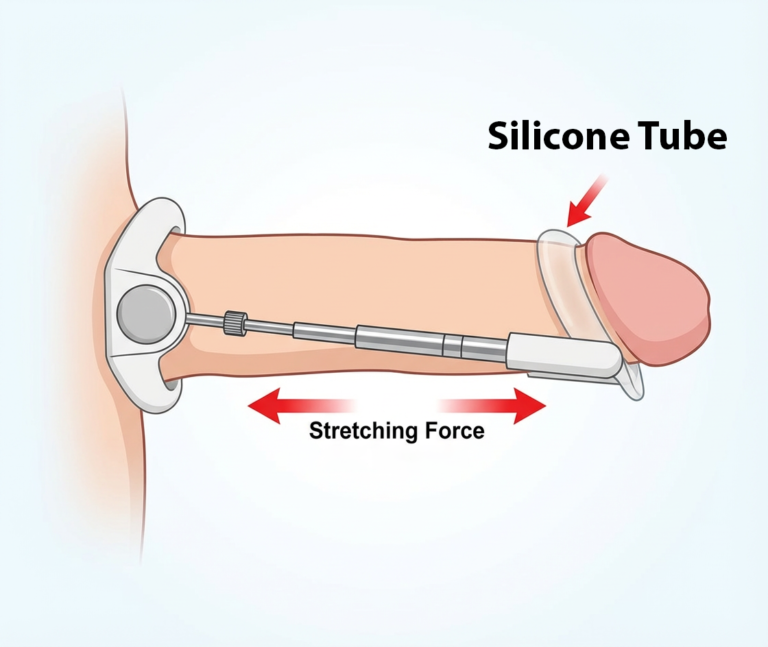
The principle of traction is based on gradual, controlled stretching of tissue. This is neither a new nor an experimental concept — the same principle has been used in medicine and rehabilitation for decades in many other parts of the body. With proper and consistent mechanical loading, tissue gradually adapts and becomes more elastic over time.
In penile curvature, the goal of traction is simple: to gradually reduce the curvature by encouraging the tissue on the “shorter” side of the penis to stretch and remodel over time.
One of the biggest advantages of traction compared to other treatment methods is that it:
- does not cause systemic side effects
- does not involve medications or chemical substances
- does not require surgery
The patient maintains complete control over the entire process.
He determines the pace, duration, and intensity of treatment within recommended limits. If discomfort occurs at any time, treatment can be paused, adjusted, or temporarily stopped. This provides a sense of safety and control that many men feel is lacking with other treatment approaches.
Unlike some more aggressive methods that may carry unwanted side effects or complications, traction works naturally and in accordance with the body’s normal ability to adapt to mechanical stress. For this reason, it is often recommended as a first-line treatment approach before more invasive options are considered.
The Penisal device uses this exact principle. However, what matters most is not only the device itself, but how it is used. Proper technique, patience, and consistency are what make the difference between success and disappointment.
For all of these reasons, traction is not simply one of many treatment options.
For many men, it represents the safest, most natural, and most sensible starting point for addressing penile curvature.
Why Proper Use Is Essential for Results
This is the part that has the greatest impact on the final outcome: it is not simply about owning the device, but about using it correctly and consistently.
If the device is used incorrectly, sessions are skipped, excessive force is applied, or progress is not monitored, it is completely normal for results to be limited or absent.
That is exactly why the entire process is designed so that you are not left alone with the device. Instead, you receive clear instructions, step-by-step guidance, and ongoing support throughout the treatment process.
What You Receive When Purchasing the Penisal System
When you purchase the Penisal device, you receive much more than just a traction device.
You receive a complete system designed to guide you through the entire process — from the first day of treatment to achieving results.
The goal is not simply to send you a device and leave you to figure everything out on your own.
The goal is to ensure that you know exactly what you are doing, why you are doing it, and how to avoid the common mistakes that cause many men to give up too early.
That is why, in addition to the device itself, you also receive additional materials and guidance that can make a real difference in your results.
What Is Included in the Package
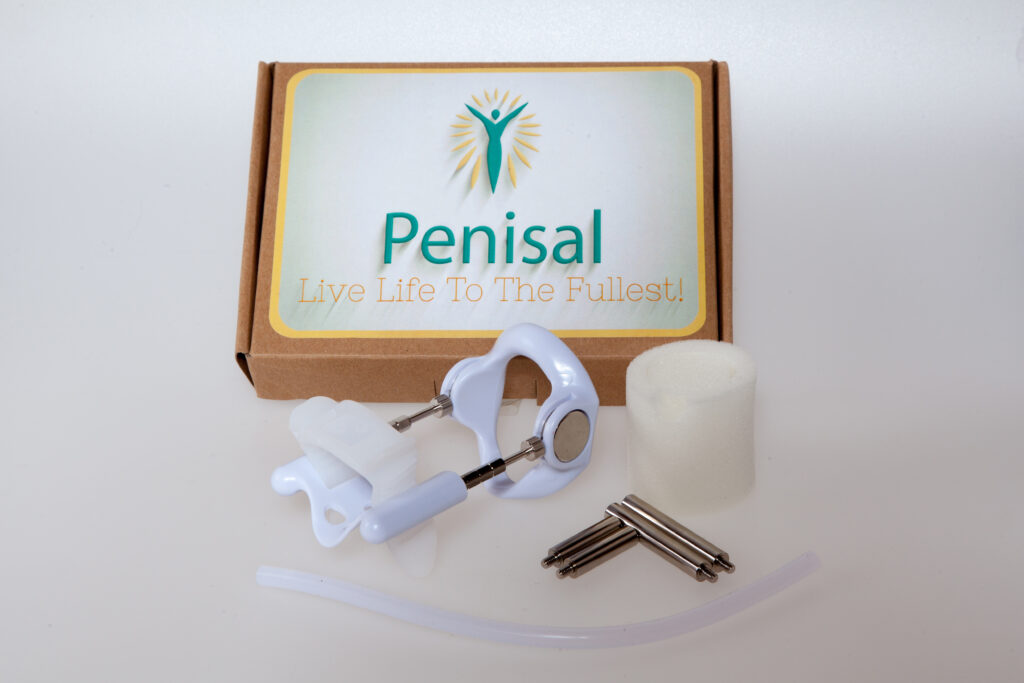
✔ Penisal Device
A mechanical traction therapy device designed for gradual and controlled penile stretching.
It is intended for the correction of penile curvature and for improving tissue elasticity.
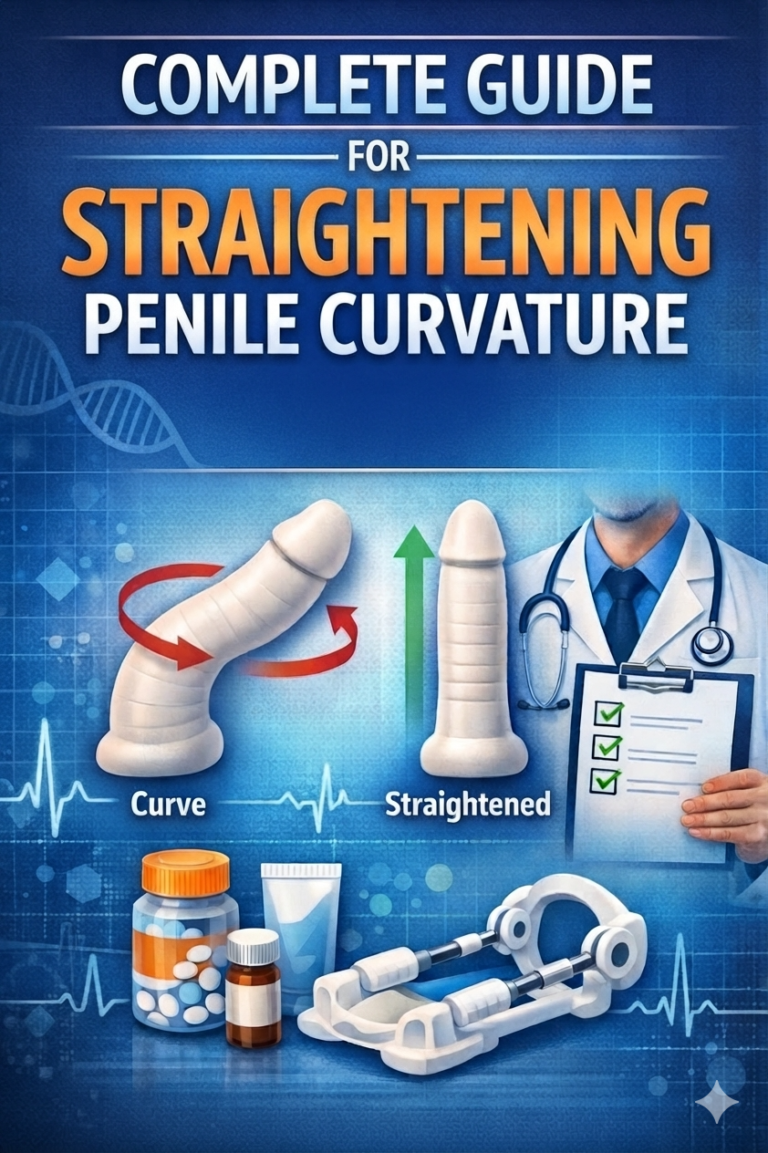
🎁 Bonus #1 – E-book (Value: 29 €)
You receive a detailed e-book that explains the entire problem of Peyronie’s disease and penile curvature in a clear and easy-to-understand way.
- what exactly happens inside the penile tissue
- why plaque formation occurs
- how and why penile curvature develops
- what to realistically expect during treatment
This e-book is not promotional material, but an educational guide designed to help you understand the entire process.
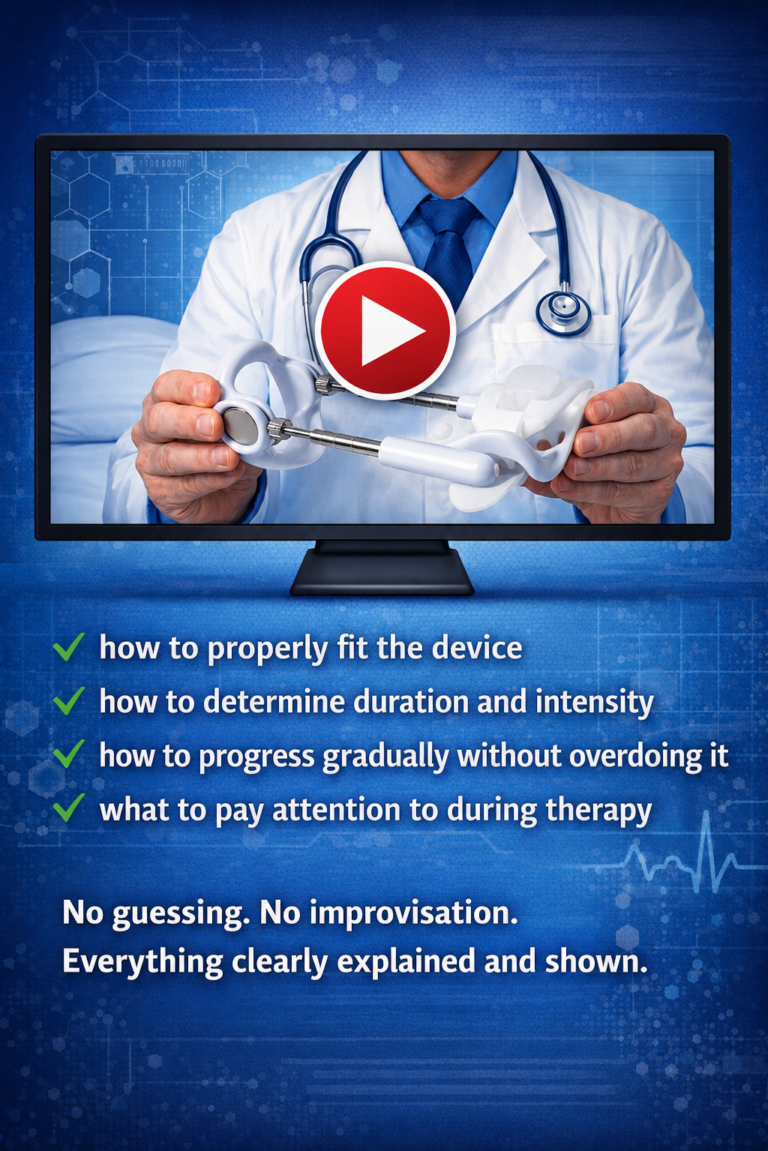
🎁 Bonus #2 – Step-by-Step Video Tutorial (Value: €49)
Along with the device, you receive a complete video tutorial series showing you exactly how to use Penisal correctly.- how to properly fit and adjust the device
- how to determine the right duration and tension level
- how to progress gradually without overdoing it
- what to pay attention to throughout the therapy process
🎁 Bonus #3 – Personal 1-on-1 Support (Value: €79)
If you get stuck, have questions, or are unsure whether you are on the right track, you are not left to figure everything out on your own.
You have access to personal support and guidance from me, including video calls if needed.
You are speaking with a real person who understands the process and can guide you through it — not automated replies or generic customer support without context.

What Is the Real Value of Everything You Receive?
- Penisal Device: 239 €
- E-book: 29 €
- Video Tutorial: 49 €
- Personal 1-on-1 Support: 79 €
Total Value: 396 €
Your Price Today
The complete system – the device plus all bonuses – is available today for:
199.97 €
No hidden fees. No additional charges later.
This price is only available while this offer remains active. The bonuses are not available separately.
The Next Step Is Yours
If you have made it this far, you already know two things:
- penile curvature does not resolve itself over time
- the right method and proper use make all the difference
You are not buying a miracle cure.
You are investing in a system that provides you with knowledge, guidance, and support.
Every day of waiting is another day without progress.
If you are ready to begin, now is the right time.
Discreet Shipping • Secure Checkout • Support When You Need It